

How to Research a Local Legend: A Step-by-Step Guide for UK Folklore Hunters
A practical step-by-step guide to tracing a British local legend through newspaper archives, parish records, maps and oral history — and reading the record when it disagrees.

They say the old mill is haunted by a woman in grey. They say a village lies under the reservoir, bells and all. Legends almost always arrive in that voice — half-remembered, cheerfully repeated on pub signs, trail leaflets and parish websites. Tracing one back to its earliest surviving trace is slow, absorbing work, and it is the kind of work you can do with a library card, a notebook and a reasonable amount of patience.
Start With the Version You Already Have
Before you touch an archive, write the legend down exactly as you first met it, and note where that was: a grandparent, a guidebook, a sign at the edge of a field. Then split it into parts. Most local legends have a fixed core — a place, a name, a date — surrounded by a floating middle and a good deal of decoration added by later tellers.
Ask one blunt question of every version you collect: what is the earliest one that exists in a form I can actually cite? A carved village sign is not evidence of antiquity. It is evidence that somebody in the 1970s read an older book, and that book may have had its own assumptions. Write the date you saw the sign, too; future researchers will thank you.
Mine the Newspaper Archives
Local newspapers are where a surprising number of legends first appear in print, usually as an odd little paragraph between an auction notice and a report of a stolen bicycle.
- The British Newspaper Archive is the largest digitised collection, and is free to use in many public libraries. County record offices and local studies libraries hold runs on microfilm, often for titles no database has touched.
- Search the place name plus the word at the heart of the story: boggart, black dog, treasure, lights, apparition. Try older spellings and dialect variants. Optical character recognition mangles exactly the sort of archaic type you need.
- When you find a report, ask whether it is the first. Victorian and Edwardian papers copied one another's columns wholesale, so ten appearances may be a single original account reprinted ten times.
- Read the whole column, not just the cutting. The editor's aside, the following week's indignant letter, and the local notes sections often carry the argument that shaped the story.
Watch the wording. A report that says "it is currently reported" or attributes everything to "a correspondent" is telling you that the journalist heard it third-hand, which is precisely the moment a rumour becomes a document.
Check the Names: Parish Records, Registers and Vestry Minutes
If the legend contains a person — a jilted bride, a murdered pedlar, a miser who hid his gold — parish registers let you test the claim. Baptisms, marriages and burials are held at county record offices, with many now digitised, and bishop's transcripts provide a second copy where the register has gaps.
Say the story insists that a bride died on her wedding day in 1782 and still walks the churchyard. The burial register will tell you whether anyone of that name was buried that year, and at what age. Sometimes the name is real and the date is wrong by a century. Sometimes the person never existed at all and the name came from a novel.
Do not stop at the registers. Vestry minutes and churchwardens' accounts record the parish's awkward business: drownings, fires, payments for a pauper's funeral, arguments about where someone could be buried. These are the raw materials from which ghost stories are later cut. A burial recorded on the north side, far from the family plot, can be the seed of two hundred years of gossip.
If the records contradict the legend, you have not failed. You have found the thing that makes the story worth telling.
Read the Landscape: Maps and Field Names
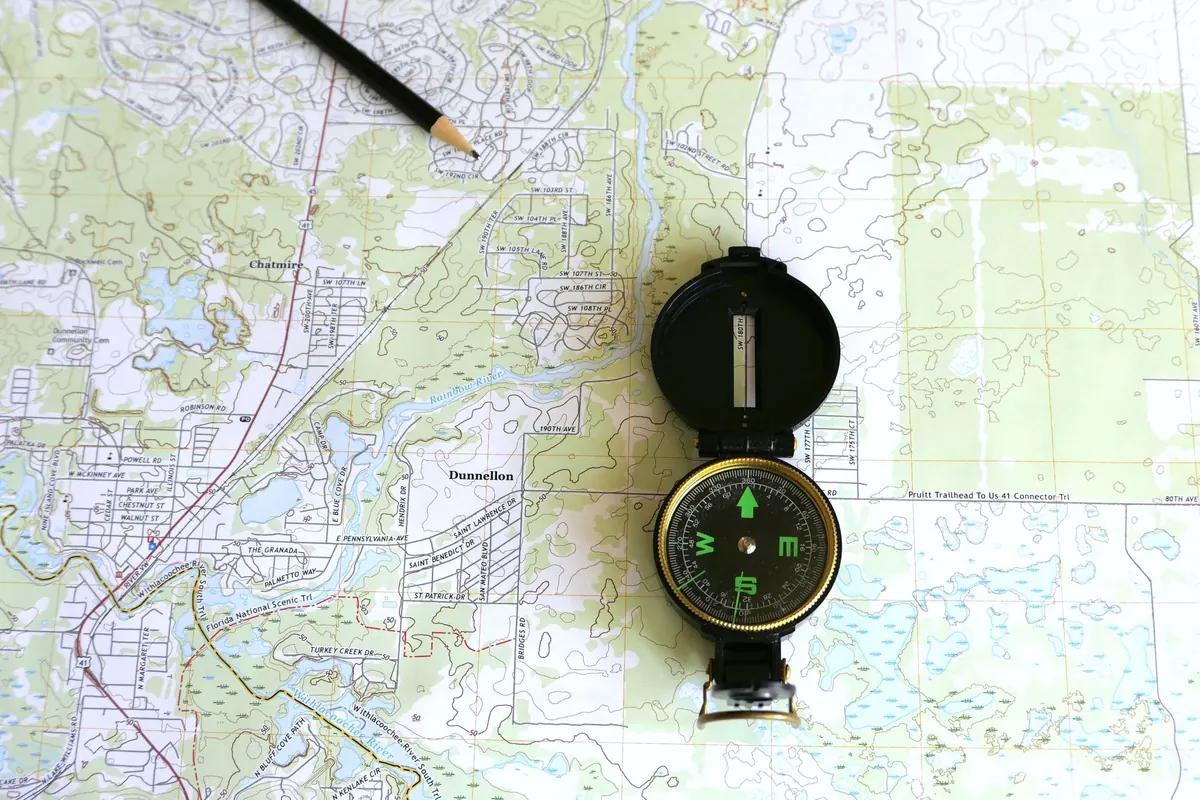
Maps catch what memory keeps and what construction destroys. Work through tithe maps and their apportionments, enclosure awards, estate maps and the Victorian Ordnance Survey six-inch sheets, then compare them with a modern sheet. Reservoirs, railways, bypasses and quarries swallow features that the legend still insists are there, and the date on the map can pin the story's origin to a decade.
Field names are the quiet gift of this work. Tithe apportionments are full of Gallows Hill, Deadman's Lane, Lady's Croft and Bloody Meadow. Treat them with curiosity rather than certainty: some are grim jokes, some are plain description of the soil, and a few were invented by surveyors with a taste for drama. But a name on a map is a dated, citable fact, and that is worth a great deal. Where the ground is accessible, walk it. Legends about sunken churches, buried treasure and secret tunnels usually make claims about the shape of the land, and the land can be checked.
Collect Oral History Properly
Living memory is the most fragile source and the easiest to ruin by handling badly.
- Ask permission before recording, and say what you intend to do with the recording.
- Log the date, the place, the speaker's name and their year of birth. "My grandmother told me" is a different claim when the grandmother was born in 1901 rather than 1951.
- Ask open questions: who told you this, when did you first hear it, has the telling changed? Then keep quiet and let them talk.
- Never correct a speaker mid-flow. Note the disagreement later.
- Offer the recording to a county record office or local archive, and get permission in writing before publishing anything about identifiable living people.
Cross-Check, and Expect Migratory Tales
Many British legends travel. The phantom hitchhiker, the devil tricked into carrying a barrel, the treasure guarded by a headless figure — these turn up in county after county, and finding the same tale in three places does not make it false. It means the local version needs a local hook: a name, a building, a stretch of road that explains why this particular place adopted the story.
County folklore collections, the Folklore Society's journal, and Katharine Briggs's dictionaries of British folk-tales are useful for identifying these wanderers. They are also a warning about the internet, where local history websites copy one another, and copy nineteenth-century antiquarians who often neglected to say where they got their material. If a modern page gives no source, keep going until you reach one.
Keep a Source Trail Someone Else Can Follow
Every fact you gather deserves a full reference: repository, collection, document number, page, and the date you looked. Photograph or transcribe with permission, and note the shelfmark while you still remember it. Keep the contradictions in your notes rather than tidying them away — they are often the most interesting thing you will find.
Finish by writing a short source trail: what the legend claims, what the earliest traceable version says, what the records show, and where the gaps remain. One clear page of that is worth more than a folder of unsourced cuttings, and if you deposit a copy with the local studies library, the next person to hear "they say" will have somewhere to begin.
Photo: klimkin / Pixabay